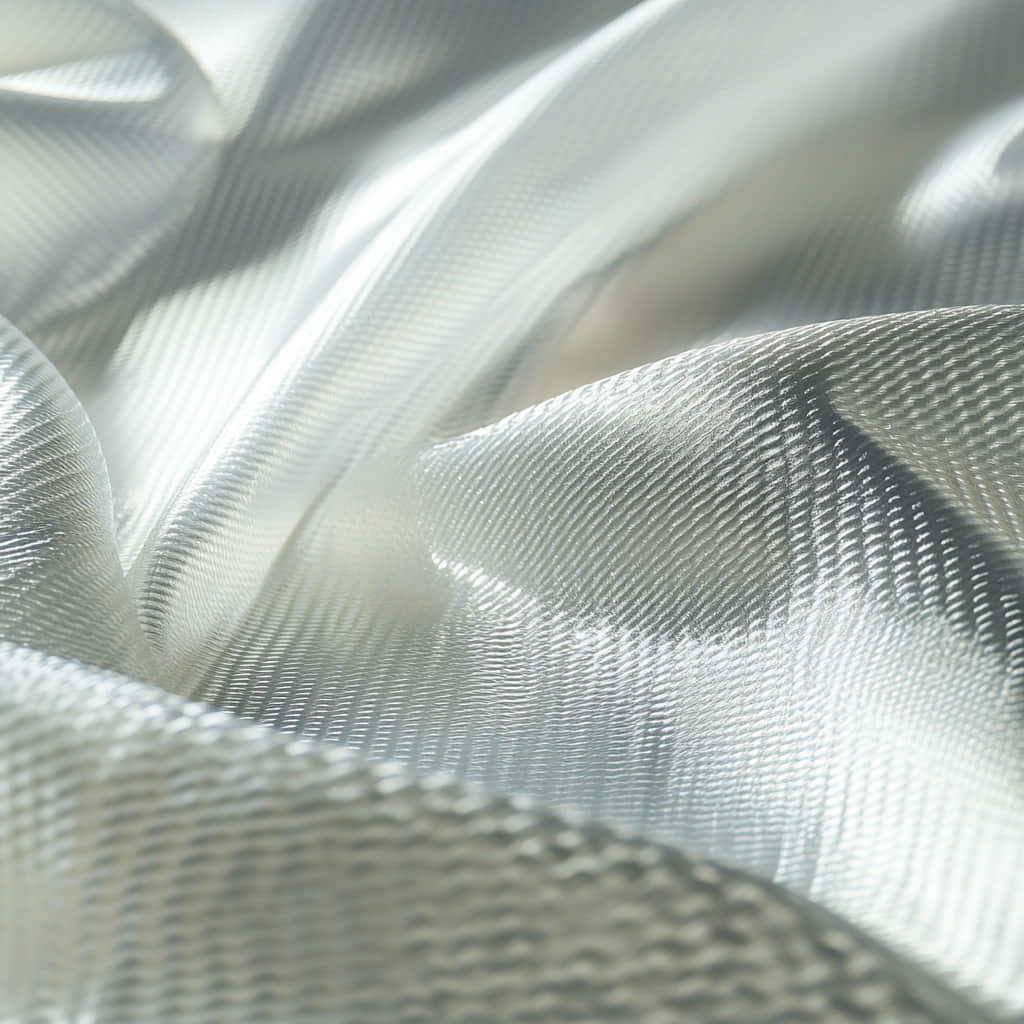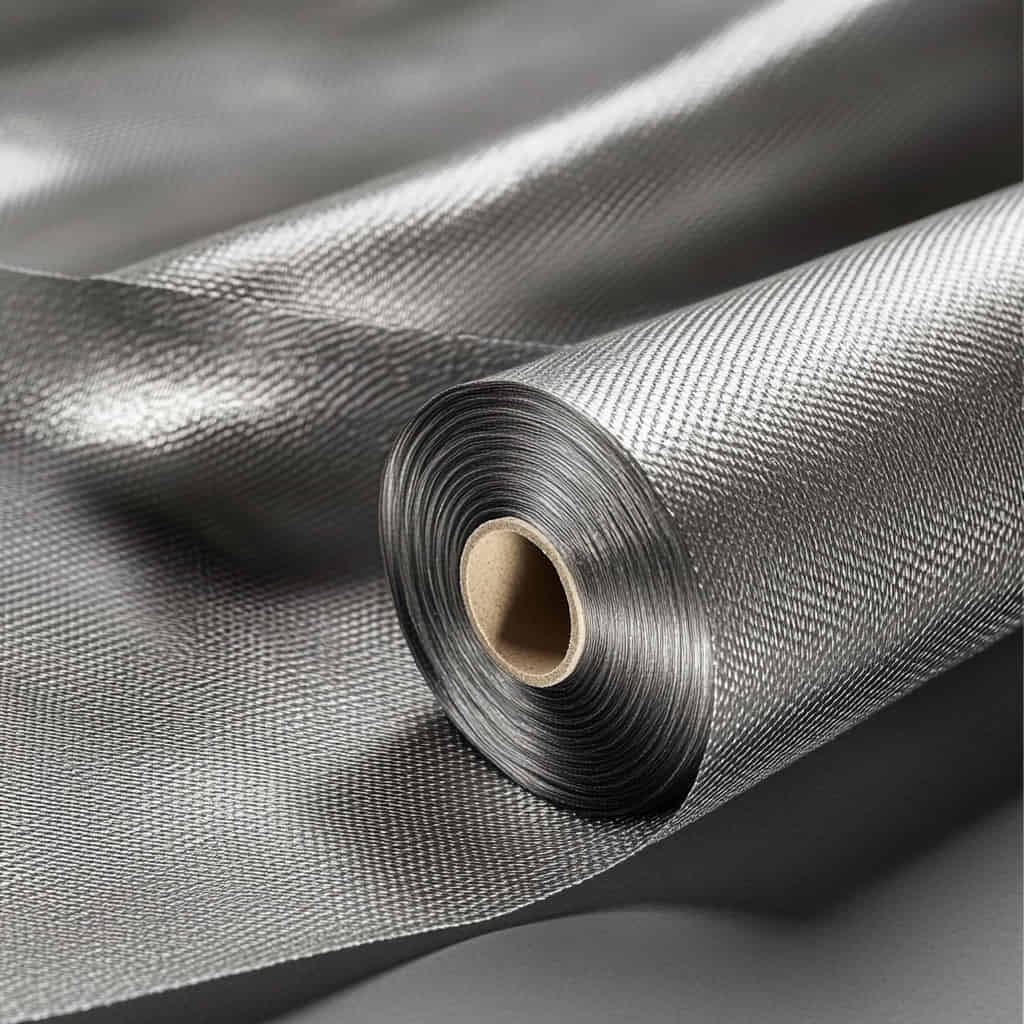
Photo for illustrative purposes only.
Polyurethane Coated Fiberglass Tape
Product Type: Tapes
Polyurethane coated fiberglass tape is a high-quality insulating material made from "E" glass fiber and coated with a polyurethane layer.
This special treatment makes it extremely resistant to high temperatures, wear, and mechanical stress, while also ensuring high flexibility.
Polyurethane coated fiberglass tape is ideal for applications requiring excellent thermal and mechanical protection, offering reliable solutions in harsh industrial environments.
This special treatment makes it extremely resistant to high temperatures, wear, and mechanical stress, while also ensuring high flexibility.
Polyurethane coated fiberglass tape is ideal for applications requiring excellent thermal and mechanical protection, offering reliable solutions in harsh industrial environments.
Polyurethane Coated Fiberglass Tape Characteristics
- Material: “E” fiberglass coated in polyurethane
- 100% Made in Italy
- Thermal resistance: up to 550°C
- High mechanical and abrasion resistance
- Good flexibility even under extreme conditions of use
- Excellent dielectric strength
- High resistance to corrosive and chemical agents
- Non-flammable
- Inert and non-toxic
- Easy application and flexibility
- Customizable sizes and colors to suit your needs
Polyurethane Coated Fiberglass Tape Applications
Polyurethane coated fiberglass tape is used in a wide range of industries, including:
- Automotive: Protection of cables and components exposed to engine heat;
- Aerospace: Thermal insulation of structural components;
- Industrial plants: Coating of pipes and valves in high-temperature environments;
- Iron and steel industry: Heat protection in foundries and steel mills;
- Naval: Thermal protection in compartments and propulsion systems.
Why Choose Polyurethane Coated Fiberglass Tape
Choosing polyurethane coated fiberglass tape means relying on a durable and versatile material capable of ensuring:
- High temperature resistance: guarantees excellent performance even in the most extreme conditions;
- Long-lasting durability: thanks to its mechanical resistance and abrasion protection, it offers a longer lifespan than other insulating materials;
- Flexibility and ease of application: adapts to different surfaces and shapes without losing its insulating properties;
- Reliable protection: in addition to thermal insulation, it provides a barrier against chemical agents and electrical stress.