
Workplace safety in high-risk industrial environments allows for no compromises.
When operating with extreme temperatures, open flames, incandescent splashes, or melting processes, standard fire-resistant fabrics are sometimes insufficient.
In these critical situations, the only answer is the adoption of cutting-edge solutions: silica fiber fire blankets.
This material is not just an alternative, but a real necessity to ensure maximum safety and equipment protection.
This in-depth analysis is dedicated to understanding when and why the use of silica blankets represents the highest level of thermal protection available.
The Necessity Of Silica Fiber
Workplace safety regulations set high standards for protection against fire and heat.
However, certain sectors such as metallurgy, the aerospace industry, glass production, and high-temperature composite material processing generate conditions that exceed the operational limits of conventional protections.
Amorphous silica fiber, with its chemical composition (typically over 96% of SiO2, is the only technical fabric that can continuously withstand temperatures reaching and exceeding 1.000°C, with peaks up to 1.650°C for brief exposures.
Unlike standard fiberglass or asbestos fibers (now banned), silica does not melt, vaporize, or release toxic fumes under extreme heat conditions, ensuring a superior thermal and chemical safety barrier.
Industrial thermal blankets made with this material not only insulate but effectively block the transfer of radiant and convective heat, protecting operators, sensitive machinery, cables, and vital hydraulic lines from irreversible damage.
These special silica blankets offer an unparalleled level of reliability.
High-Risk Scenarios: Silica Blankets As A Mandatory Choice
The use of silica blankets is indispensable in applications where the risk of fire and burns is maximal.
Extreme Arc Welding and Cutting
In TIG, MIG welding operations, and especially high-intensity plasma cutting, sparks and molten metal splashes can reach extremely high temperatures.
Normal fireproof blankets made of treated fiberglass, while offering good protection, can deteriorate rapidly, reducing their effectiveness.
The silica fireproof welding blanket, conversely, acts as a superior thermal and physical shield, containing metallic projections without suffering significant structural damage.
This durability translates into greater safety and reduced replacement costs.
Melting And Pouring Processes
In foundries or companies working with high-temperature alloys, the main risk is accidental contact with liquid metals (such as aluminum, steel, or bronze) and radiant heat emitted by the furnaces.
The use of silica fire blankets to wrap piping, valves, or as a mobile protective screen during pouring is fundamental.
These silica blankets ensure that an unexpected spill does not ignite fires or damage surrounding infrastructure.
Protection From Sparks And Incandescent Embers
In sectors such as energy and petrochemicals, where hot work is performed near flammable materials, a high-resistance fire blanket is crucial.
A silica fireproof blanket positioned vertically or horizontally creates a safe work zone, completely isolating the heat source from potential ignition points.
Silica fiber is the key element of these solutions.
Types Of Finishes: Maximizing The Use Of Fire Blankets
Although silica fiber is exceptional in itself, its performance can be optimized through specific finishes and coatings that enhance its use in different applications.
Protective Coatings
In some versions, silica fire blankets are equipped with additional surface coatings, such as vermiculite or silicone polyurethane.
These coatings improve abrasion and increase water repellency and chemical resistance, making the fire blanket easier to clean and more robust in dirty or aggressive environments.
A fireproof blanket with these treatments is ideal for external covers or long-lasting temporary protections, adding value to the main function of the silica blanket.
Formats And Customizations
Our silica blankets are fully customizable (from size to weight, even color), are not just flat sheets, and are available in various formats:
- heavy sheets: for fixed coverings and heavy welding;
- light and flexible fabrics: for wrapping complex piping or for creating expansion joints;
- vertical curtains: used as fixed or mobile barriers to compartmentalize hot work areas.
The choice of format and fabric weight is crucial to balance flexibility and resistance, ensuring that the silica blankets are fit for purpose.
What To Look For In A High-Quality Fire Blanket
The investment in a silica fire blanket must be guided by quality to ensure maximum longevity and safety.
Fiber Purity
Look for products with an SiO2 content higher than 96%.
The higher the purity, the better the resistance to extreme temperatures and the lower the risk of degradation of the silica blanket.
Weave
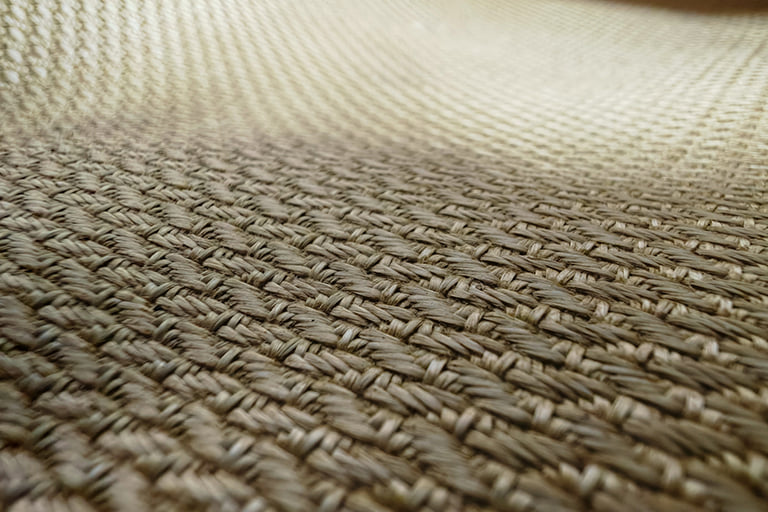
A dense and uniform weave (such as satin or twill) reduces porosity and increases mechanical strength, preventing fraying and facilitating the use of the industrial thermal blanket in stressful situations.
Choosing silica fiber means investing in extreme and durable protection, an essential requirement in all those environments where thermal risk is an operational constant.
Silica fire blankets are not simply accessories, but fundamental safety elements.
FAQs On Silica Blankets
What is the main difference between silica blankets and fiberglass blankets?
The main difference between the two blankets is temperature resistance. Silica blankets (with SiO2 96%) typically withstand continuous temperatures up to 1000°C and higher peaks, while standard fiberglass blankets (E-glass) usually withstand up to 550°C. Above this threshold, fiberglass begins to deteriorate and lose integrity, while the silica blanket maintains its protective properties intact.
Do silica blankets release toxic fumes in case of fire?
No, one of the great advantages of silica blankets is that the amorphous fiber does not burn, melt, or vaporize under extreme heat conditions, therefore it does not release toxic fumes, ensuring a safer work environment compared to other insulating materials that might contain organic binders.
Are silica blankets reusable?
Yes, silica blankets, thanks to their exceptional resistance and thermal stability, are designed to be highly reusable. After exposure to heat or sparks, it is sufficient to inspect them for any mechanical damage or abrasions, and if structural integrity is maintained, they can be repositioned for subsequent uses, ensuring excellent return on investment.
Where are silica blankets primarily used?
Silica blankets are essential in all environments with extremely high thermal risk. The main applications include foundries, refineries, shipyards for protection in welding and plasma cutting, aerospace processing, and in the glass and ceramics industry—wherever an extreme thermal barrier is required.