
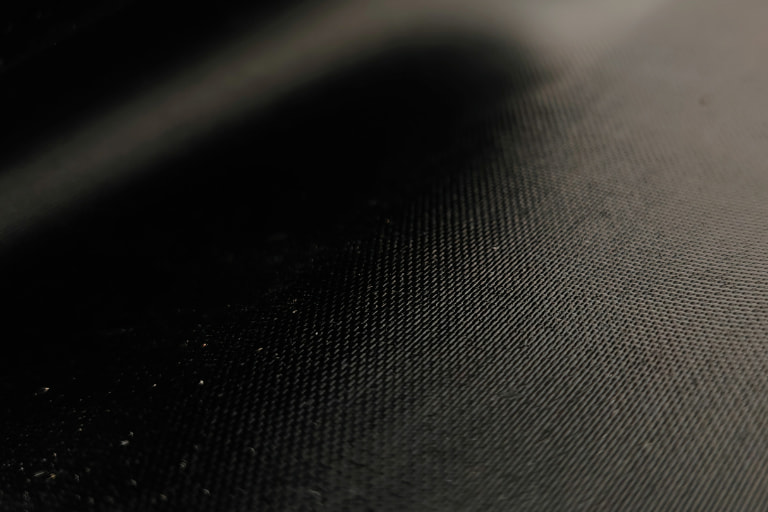
The integration of neoprene into advanced textile substrates such as fibreglass, silica, basalt and aramid fibre allows the creation of protective barriers with unprecedented chemical and mechanical resistance.
Let’s analyse how polymer treatment transforms technical fabrics into indispensable solutions for modern industry, guaranteeing impermeability and superior thermal protection.
Neoprene Coated Fibreglass Fabric
Modern materials engineering requires increasingly specific solutions to address industrial challenges where heat, abrasion and chemicals would put any conventional material to the test.
In this scenario, the application of neoprene as a protective coating on technical fabrics is an excellent choice for providing waterproofing, oil resistance and flexibility.
The most widely used material in this field is undoubtedly neoprene coated fibreglass fabric, as it combines the affordability and thermal resistance of glass with the elastic properties of synthetic polymer.
When a company chooses this solution, it is looking for a product that can withstand continuous mechanical stress without losing its insulating properties.
Neoprene coated fibreglass fabric is used to make expansion joints, textile compensators and welding shields.
The quality of this product lies in the perfect adhesion of the coating to the fibre, preventing delamination even under harsh operating conditions.
Thanks to its versatility, it can be used in environments where heat protection must be combined with moisture resistance, making it one of the most sought-after components in industrial supplies.
Extreme Resistance: Neoprene Coated Technical Fabrics In Silica And Ceramic
In addition to fibreglass, there are applications that require even higher thermal resistance.
In these cases, neoprene coated silica fibre fabric becomes the primary solution, especially when temperatures exceed the limits of standard glass silica.
This solution offers impeccable dimensional stability, while the polymeric outer layer prevents the fibres from dispersing into the environment.
Neoprene coated silica fibre fabric is ideal for protective screens in foundries, where the material must withstand extreme radiant heat.
Similarly, neoprene coated ceramic fibre fabric is often used for protection against molten metal splashes.
Although ceramic fibres are known for their mechanical fragility, finishing with neoprene gives the material unexpected resilience.
A neoprene coated ceramic fibre fabric guarantees an almost complete thermal barrier, which is why it is often used for fire curtains and structural insulation.
Thanks to the density of the ceramic fibre fabric, combined with the resilience of neoprene, the result is a product that acts as a true active thermal shield.
Aramid Fibre And Basalt: The Power Of Innovation
In the field of mechanical and cut protection, aramid fibre is the undisputed leader.
A neoprene coated aramid fibre fabric represents the cutting edge of technology for protecting moving parts or components subject to extreme abrasion.
This product is often used to protect hydraulic pipes, where it prevents perforation in the event of an explosion.
Thanks to the tenacity of aramid fibre, the material does not tear, while the neoprene treatment guarantees impermeability to aggressive fluids.
The use of neoprene coated aramid fibre fabric is therefore essential for operator safety, making it an indispensable investment.
No less important is the emerging volcanic rock sector; neoprene coated basalt fibre fabric offers natural chemical resistance superior to many synthetic fibres.
Basalt fibre fabric treated with neoprene is particularly appreciated for its resistance to UV rays and acids, qualities that make it perfect for outdoor use or in marine environments.
Using this product means choosing an environmentally sustainable and high-performance material.
Basalt fibre fabric combined with polymer allows for extremely durable results without structural degradation.
Summary Of The Properties Of Neoprene On Technical Fabrics
The ultimate goal of treatment with neoprene is to provide “all-in-one” protection.
If we take neoprene-treated fibreglass fabric as a reference, we can see how this material has become the standard for flexibility and insulation.
However, ongoing research is pushing towards the use of neoprene treatment in combination with other materials.
Choosing a neoprene coated fibreglass fabric guarantees the longevity of the systems, just as when a neoprene-treated silica fibre fabric is used to manage high peak temperatures.
Our product range, which spans from neoprene coated fibreglass fabric to more advanced variants such as neoprene coated basalt fibre fabric, is designed to offer maximum resistance and compliance with current regulations.
FAQs on Neoprene Coated
Why is neoprene applied to fibreglass?
Neoprene coated fibreglass fabric is produced to combine the fire resistance of glass silica with the impermeability and flexibility of the polymer. The fabric is thus protected from abrasion and chemicals, making the product ideal for dynamic industrial uses.
What is the maximum temperature of a neoprene coated silica fibre fabric?
A neoprene-treated silica fibre fabric can withstand internal fibre operating temperatures of close to 1000°C. While the neoprene surface acts as a chemical barrier, the silica fibre fabric provides thermal insulation.
When should neoprene coated aramid fibre fabric be used?
Neoprene coated aramid fibre fabric is used when mechanical resistance is a priority. Aramid fibre is resistant to cuts and impacts, while the coating protects the entire item from environmental degradation, making it extremely durable.
What are the advantages of neoprene coated basalt fibre fabric?
Neoprene coated basalt fibre fabric is known for its excellent chemical and UV resistance. Basalt fibre fabric does not melt easily, and the neoprene treatment makes it more environmentally friendly than glass. Many choose this product for offshore applications.
Is neoprene coated ceramic fibre fabric safe?
Yes, neoprene-treated ceramic fibre fabric is designed to encapsulate the ceramicised fibres in the polymer. This makes the ceramic fibre safer to handle. Neoprene-treated ceramic fibre fabric remains one of the best fire barriers available on the market.